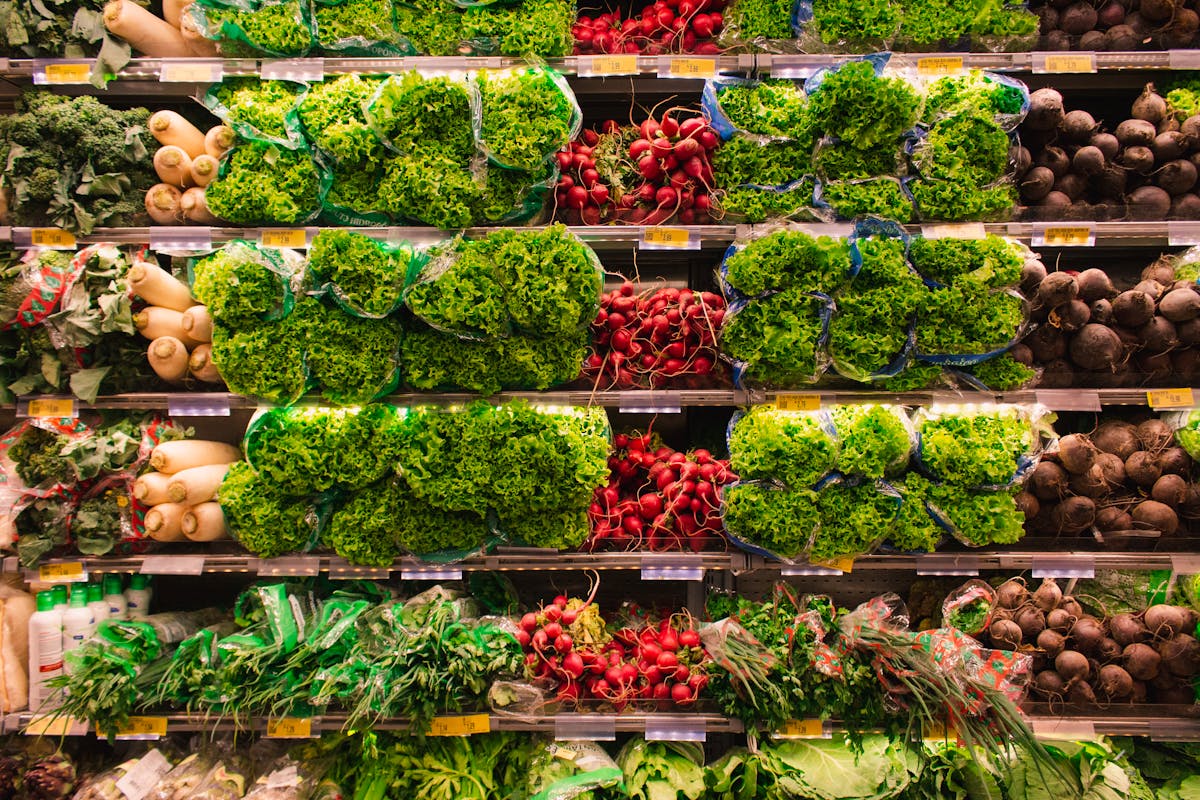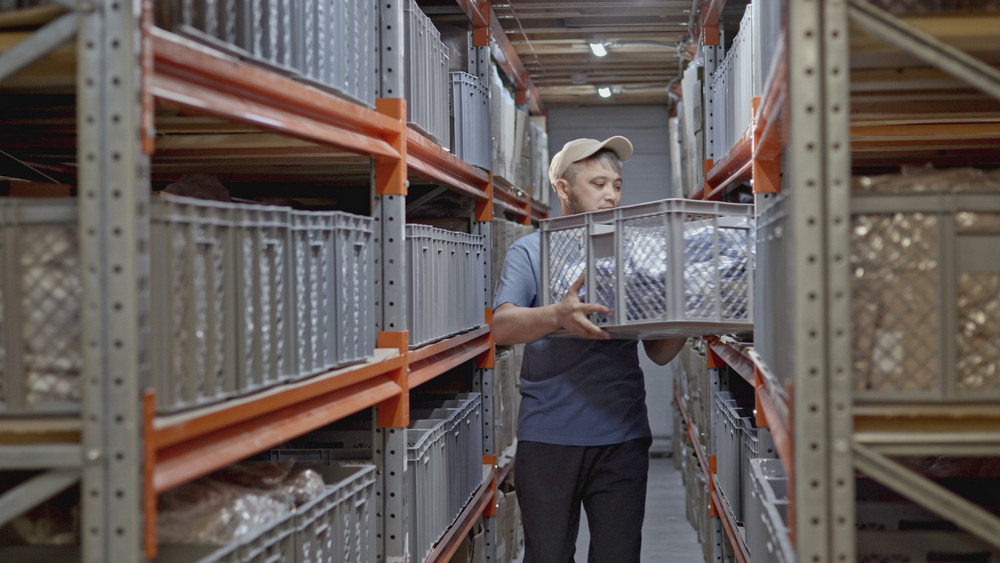
Singapore is globally renowned as a vibrant culinary paradise, relying on international imports for over 90% of its food supply, according to the Singapore Food Agency. Parallel to this thriving food culture, the city-state has established itself as a premier global biomedical sciences hub, managing critical pharmaceutical and healthcare distribution for the entire region. With a small amount of its land dedicated to agriculture and a high reliance on global markets for both fresh produce and healthcare components, Singapore operates in a unique, high-stakes landscape. In this environment, reliable medical and food logistics aren’t merely a commercial necessity but are a critical pillar of national security and supply chain resilience.
Preserving Quality Through the Cold Chain
When dealing with a supply chain that spans more than 180 countries and territories, the complexity of moving goods safely is immense. Fresh food products and medical supplies, such as vaccines, biologics, and specialized pharmaceuticals, are intrinsically perishable, highly sensitive to temperature fluctuations, and subject to strict regulatory oversight. This is where robust cold chain logistics plays a vital role.
Without sophisticated temperature management, advanced tracking, and seamless cross-border transport, fresh produce spoils and life-saving medications lose their efficacy long before reaching Singapore’s ports. Reliable medical supply and food logistics ensure that temperature-sensitive items remain in optimal conditions throughout their journey, from farm or laboratory to freight, and finally to the end consumer or patient. This minimizes waste, guarantees strict safety standards, and protects the financial margins of local distributors.
Maintaining Agility in the Face of Global Disruptions
Singapore’s strategy for national resilience heavily relies on source diversification. By importing food and medical essentials from a wide array of international markets, the nation mitigates the risk of localized supply shocks caused by geopolitical tensions, climate events, or public health crises. However, a diversified sourcing strategy is only as strong as the network that connects it.
Efficient logistics providers give Singapore the agility to dynamically pivot when disruptions occur. If a traditional supply line is suddenly severed or delayed, a highly responsive logistics framework allows supply chain managers to quickly reroute shipments, tap into alternative global sources, and clear customs seamlessly. This agility ensures the continuous flow of goods, keeping supermarket shelves consistently stocked and hospital pharmacies fully supplied even during global crises.
Operating Within the Just-in-Time Reality
Another critical factor to consider when it comes to medical and food logistics is Singapore’s severe space constraints. Unlike larger nations with massive domestic agricultural zones and sprawling distribution hubs, Singapore operates on a highly optimized, “just-in-time” inventory model. Warehousing space is at a premium, meaning storing massive stockpiles of fresh foods or bulky medical supplies is largely impractical. Furthermore, both sectors deal with strict product expiration dates that limit long-term storage.
Building a Resilient Future
Ultimately, maintaining consistent supply chains in Singapore demands an unwavering commitment to logistical excellence. By ensuring that its food and medical logistics infrastructure remains resilient, agile, and bulletproof, Singapore can confidently safeguard its public health, economic stability, and rich culinary heritage for generations to come. When you need a reliable B2B delivery partner, look no further than our team at Singapore Trust Services. Contact us today to learn more about our medical supply and food logistics services.